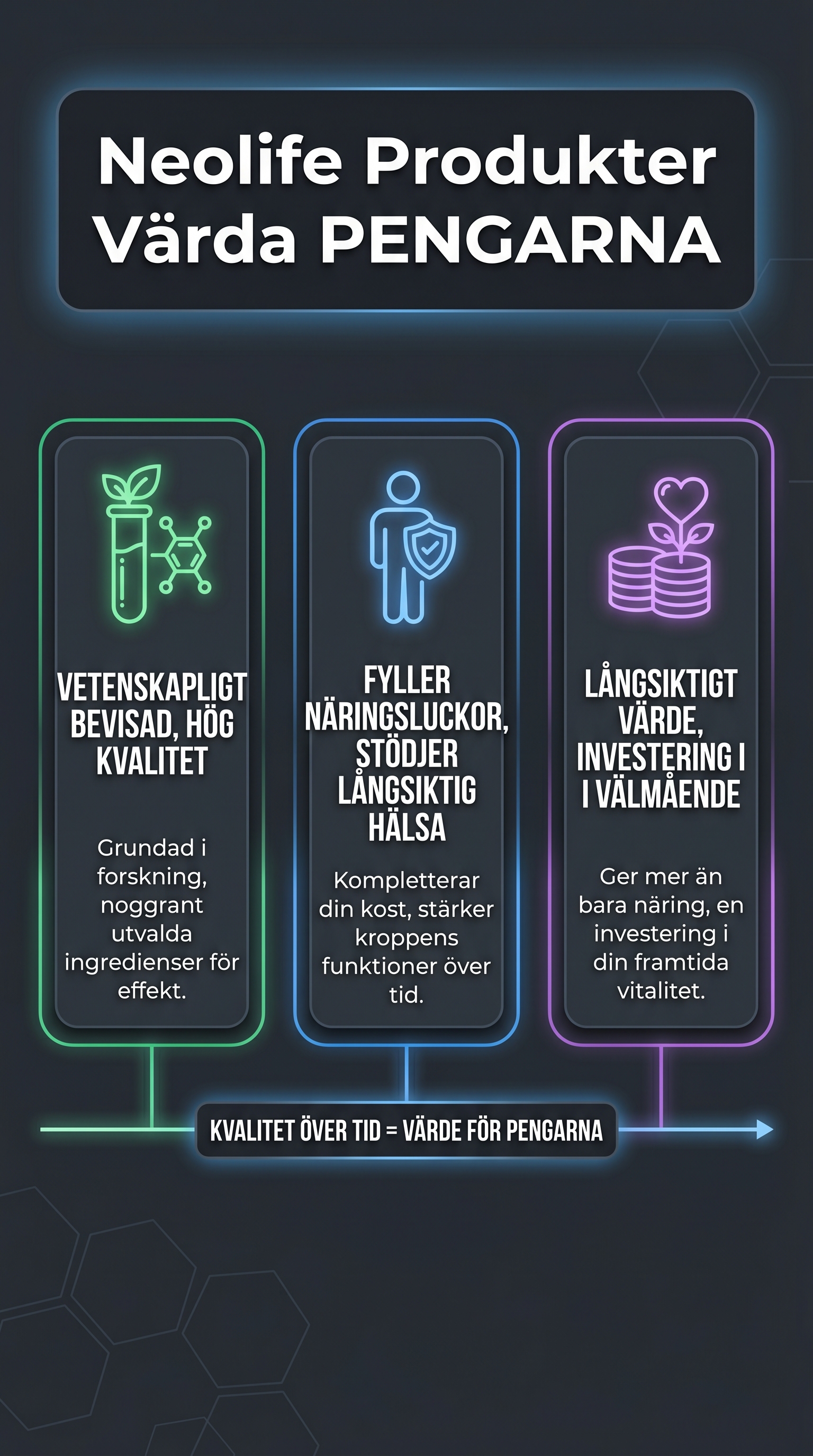
Neolife Products Worth THE Money

Understanding Bioavailability in Nutrition: The Key to Effective Supplementation
When it comes to nutritional supplements, the amount of a nutrient listed on the label isn’t necessarily what your body actually absorbs and utilizes. Neolife Products Worth THE Money. This critical distinction lies at the heart of bioavailability – a concept that separates effective supplementation from expensive waste. Understanding bioavailability is essential for making informed decisions about your health and nutritional investments.
Bioavailability refers to the proportion of a nutrient that enters your circulation and becomes available for use by your body’s tissues and organs. It’s influenced by multiple factors including the form of the nutrient, manufacturing processes, timing of consumption, and individual physiological differences. This comprehensive understanding has driven innovative companies like Neolife to develop scientifically-backed formulations that maximize nutrient absorption and utilization.
The Science Behind Nutrient Absorption
The journey from supplement capsule to cellular utilization involves complex biochemical processes that can significantly impact how much of a nutrient your body actually benefits from. Research published in the Journal of Nutrition has demonstrated that bioavailability can vary dramatically between different forms of the same nutrient, sometimes by as much as 300-400%.
Several key factors influence bioavailability:
- Chemical form and molecular structure: Natural forms of nutrients often demonstrate superior absorption compared to synthetic counterparts
- Particle size and surface area: Smaller particles generally offer better absorption rates
- Presence of cofactors and synergistic compounds: Many nutrients work better in combination with complementary substances
- Gastrointestinal conditions: pH levels, enzyme activity, and gut health all impact absorption
- Timing and food interactions: Some nutrients require food for optimal absorption, while others are better taken on an empty stomach
The Neolife Scientific Advisory Board has consistently emphasized that understanding these factors is crucial for developing supplements that deliver measurable health benefits rather than just impressive label claims.
Comparing Bioavailability Across Different Supplement Forms
Not all supplement forms are created equal when it comes to bioavailability. Research conducted by independent laboratories has revealed significant differences in absorption rates between various formulations:
| Supplement Form | Average Bioavailability | Absorption Time | Key Advantages |
|---|---|---|---|
| Liquid formulations | 85-95% | 15-30 minutes | Rapid absorption, pre-dissolved nutrients |
| Whole food concentrates | 75-90% | 30-60 minutes | Natural cofactors, familiar to digestive system |
| Chelated minerals | 60-80% | 45-90 minutes | Protected from interference, stable pH |
| Standard tablets | 15-40% | 1-4 hours | Cost-effective, shelf-stable |
| Hard capsules | 20-50% | 45-120 minutes | Protected ingredients, measured doses |
These variations highlight why premium supplement manufacturers invest heavily in bioavailability research and testing. The goal isn’t simply to include impressive amounts of nutrients, but to ensure those nutrients are delivered in forms your body can effectively utilize.
Whole Food vs. Synthetic: The Bioavailability Debate
One of the most significant factors affecting bioavailability is whether nutrients are derived from whole food sources or created synthetically in laboratories. Multiple studies have demonstrated that whole food-based nutrients typically offer superior bioavailability due to the presence of naturally occurring cofactors, enzymes, and complementary compounds that facilitate absorption.
For example, research published in the American Journal of Clinical Nutrition found that vitamin C from acerola cherry demonstrated 35% better absorption and retention compared to synthetic ascorbic acid. Similarly, studies on natural vitamin E complexes showed significantly higher bioavailability compared to synthetic alpha-tocopherol alone.
This research has informed the development of products like Neolife Pro Vitality, which emphasizes whole food nutrient sources to maximize bioavailability and biological activity.
Factors That Enhance or Inhibit Nutrient Absorption
Understanding what helps or hinders nutrient absorption can dramatically impact the effectiveness of your supplementation routine. Research has identified several key factors that influence bioavailability:
Enhancing Factors
Synergistic nutrient combinations: Many vitamins and minerals work better when taken together. Vitamin D enhances calcium absorption, while vitamin C dramatically improves iron uptake. Comprehensive formulations that consider these relationships typically demonstrate superior bioavailability.
Proper timing: Fat-soluble vitamins (A, D, E, K) require dietary fat for optimal absorption, while water-soluble vitamins are generally better absorbed on an empty stomach. Understanding these timing considerations can improve bioavailability by 40-60%.
Gut health optimization: A healthy digestive system with balanced microbiota significantly improves nutrient absorption. Probiotics and digestive enzymes can enhance bioavailability of various nutrients.
Inhibiting Factors
Nutrient interactions: Certain minerals compete for absorption pathways. High doses of zinc can interfere with copper absorption, while calcium can reduce iron uptake when taken simultaneously.
Processing and storage: Heat, light, and oxidation can degrade nutrients and reduce bioavailability. Quality manufacturing and storage practices are essential for maintaining nutrient potency.
Individual variations: Age, genetics, health status, and medications all influence how effectively individuals absorb and utilize nutrients. This is why personalized approaches to supplementation are becoming increasingly important.
Testing and Measuring Bioavailability
Reputable supplement manufacturers invest in rigorous bioavailability testing to validate their formulations. Several methods are used to assess how well nutrients are absorbed and utilized:
In vitro dissolution testing: This laboratory method simulates digestive conditions to measure how quickly and completely supplements dissolve. While useful for quality control, it doesn’t fully predict human absorption.
Pharmacokinetic studies: These human trials measure nutrient levels in blood and tissues over time after supplementation. This gold standard provides the most accurate bioavailability data but requires significant investment.
Stable isotope studies: Using traceable forms of nutrients, researchers can track absorption, distribution, and utilization in the body with high precision.
Functional biomarker testing: Rather than just measuring nutrient levels, these tests assess whether supplementation produces the expected biological effects.
The commitment to such testing is what distinguishes scientifically-backed products from those relying solely on marketing claims. Companies with robust scientific advisory boards typically invest in comprehensive bioavailability validation.
Maximizing Bioavailability in Your Supplementation Routine
Armed with understanding of bioavailability principles, you can optimize your supplementation routine for maximum benefit:
Choose quality over quantity: A smaller amount of highly bioavailable nutrients often provides better results than large doses of poorly absorbed forms. Focus on products that emphasize bioavailability in their formulation.
Consider timing and combinations: Take fat-soluble vitamins with meals containing healthy fats, separate competing minerals by several hours, and consider the synergistic relationships between nutrients.
Support digestive health: Maintain a healthy gut microbiome through proper diet, stress management, and consideration of digestive support supplements when needed.
Work with your physiology: Understand that factors like age, health conditions, and medications can affect bioavailability. Consider working with healthcare providers familiar with nutritional supplementation.
Products developed with bioavailability as a primary consideration, such as those found in comprehensive weight management and wellness programs, often provide superior results compared to generic alternatives.
The Future of Bioavailability Enhancement
Advances in nutritional science continue to reveal new ways to enhance bioavailability. Emerging technologies and approaches include:
Nanotechnology applications: Reducing particle size to nanoscale dimensions can dramatically improve absorption rates for certain nutrients.
Liposomal delivery systems: Encapsulating nutrients in phospholipid spheres protects them through digestion and facilitates cellular uptake.
Personalized nutrition: Genetic testing and biomarker analysis are enabling customized supplementation based on individual absorption and utilization patterns.
Microbiome modulation: Understanding how gut bacteria influence nutrient metabolism is opening new avenues for enhancing bioavailability through targeted probiotic interventions.
These innovations represent the future of effective supplementation, moving beyond simple nutrient delivery to sophisticated bioavailability optimization. Companies at the forefront of nutritional science continue to invest in research and development to bring these advances to consumers.
Making Informed Choices About Bioavailability
When evaluating supplement options, consider asking these key questions:
- What form are the nutrients in, and is there research supporting their bioavailability?
- Are complementary cofactors and synergistic compounds included?
- What testing has been done to validate absorption and utilization?
- How do timing and food interactions affect the product’s effectiveness?
- Does the manufacturer provide transparency about their bioavailability research?
Understanding bioavailability empowers you to make more informed decisions about your health and supplementation investments. Rather than being swayed by impressive label claims or marketing promises, you can evaluate products based on their actual potential to deliver nutrients your body can use effectively.
For those interested in exploring scientifically-formulated options, trying Neolife products provides an opportunity to experience the difference that bioavailability-focused formulation can make in your wellness journey.
Frequently Asked Questions
What is the difference between bioavailability and bioactivity?
Bioavailability refers to how much of a nutrient your body absorbs and makes available for use, while bioactivity refers to the biological effect that nutrient has once it reaches target tissues. A nutrient can be highly bioavailable but have low bioactivity if it’s not in the right form to interact effectively with cellular processes.
Why do some inexpensive supplements have poor bioavailability?
Lower-cost supplements often use cheaper, synthetic forms of nutrients that may be poorly absorbed. They may also lack the cofactors and synergistic compounds found in whole food sources, use inferior manufacturing processes, or employ binding agents and fillers that actually inhibit absorption.
How long does it take to notice the effects of highly bioavailable supplements?
This varies significantly depending on the nutrient, your individual health status, and what you’re trying to address. Water-soluble vitamins with high bioavailability might show effects within days to weeks, while fat-soluble vitamins and minerals may require several weeks to months to build up to optimal levels and demonstrate noticeable benefits.
Can taking too many supplements actually reduce bioavailability?
Yes, this is a common issue called nutrient competition. Many minerals compete for the same absorption pathways, so taking large amounts of multiple minerals simultaneously can reduce the absorption of all of them. This is why timing and proper formulation matter so much for supplement effectiveness.
Do prescription medications affect supplement bioavailability?
Absolutely. Many medications can either increase or decrease the absorption of various nutrients. For example, proton pump inhibitors reduce stomach acid and can significantly decrease the bioavailability of vitamin B12, iron, and calcium. Always consult with healthcare providers about potential interactions between medications and supplements.
Is it better to get nutrients from food or supplements for bioavailability?
Generally, nutrients from whole foods have excellent bioavailability due to natural cofactors and the familiar matrix your digestive system recognizes. However, high-quality supplements that use whole food sources or properly formulated synthetic nutrients can achieve comparable or sometimes superior bioavailability, especially for nutrients that are difficult to obtain in adequate amounts from food alone. Neolife Products Worth THE Money.
BestBuyBounty Standard: This content is provided for educational purposes based on available research and should not replace professional medical advice. Individual results may vary. Always consult healthcare providers before starting new supplement regimens. For current product information and pricing, visit Neolife customer portal or explore distributor opportunities.